The Role of Shockwave Therapy in Modern Rehabilitation
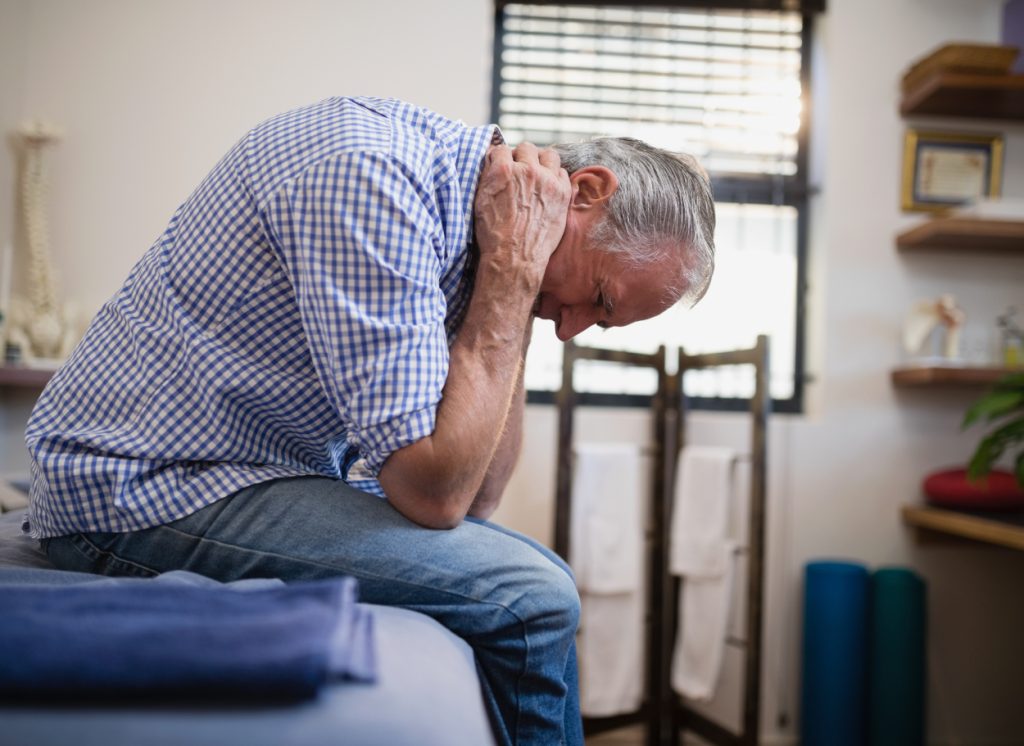

Rehabilitation has changed markedly over the past two decades. The shift has not come from flashy technology alone, but from a better understanding of tissue healing, pain science, and load management. Clinicians now spend less time chasing symptoms in isolation and more time asking a practical question: what helps a person return to function safely, efficiently, and with a lasting result? Within that framework, Shockwave Therapy has earned a credible place.
It is not a cure-all, and it is not interchangeable with every physical medicine tool. Yet in the right patient, at the right stage, and for the right diagnosis, it can move a case forward when progress has stalled. That matters in real clinics, where many patients do not arrive with textbook injuries. They come in after months of limping, sleeping poorly, modifying their work, or giving up exercise they enjoy. The value of any intervention is measured there, in the gap between pain and participation.
Shockwave Therapy is often discussed in broad, optimistic terms. The better conversation is narrower and more useful. What exactly does it do? Which conditions respond well? Where does it fit alongside exercise, manual therapy, injections, or surgery? And just as important, when should a clinician avoid using it?
What Shockwave Therapy actually is
Shockwave Therapy uses acoustic waves delivered to tissue through a handheld device. In rehabilitation settings, clinicians generally use either focused or radial systems. Both deliver mechanical energy, but the way that energy disperses through tissue differs. Focused shockwave concentrates energy more deeply and precisely. Radial shockwave disperses it more broadly and tends to affect more superficial tissues. In practice, both can be effective, though selection often depends on the target tissue, available equipment, and clinician experience.
Patients usually describe the treatment as intense but brief. A session might last five to ten minutes for the treated area, often delivered over a series of visits spaced several days apart. The sensation varies by body region. Treating a thick Achilles tendon in a seasoned runner feels different from treating the lateral elbow of an office worker who has struggled to grip a coffee mug without pain.
The mechanism is still being studied, but the clinical rationale is reasonably clear. Shockwave Therapy https://www.google.com/maps?cid=174883048944766493 appears to stimulate a local biological response that can support tissue repair, alter pain signaling, and improve function in certain chronic musculoskeletal conditions. It is most often used for tendinopathies and other stubborn soft tissue problems, especially when a condition has lingered long enough that simple rest and generic exercise are no longer enough.
Why it found a place in modern rehab
The strongest argument for Shockwave Therapy is not novelty. It is utility. Modern rehabilitation is increasingly conservative in the best sense of the word. Clinicians try to resolve problems with the least invasive option that has a realistic chance of working. Between hands-on treatment and surgery lies a wide middle ground, and shockwave fits there.
In busy orthopedic and sports clinics, a familiar pattern emerges. A patient has plantar heel pain for eight months. They have changed shoes, stretched inconsistently, rolled a frozen water bottle under the foot, maybe even had a corticosteroid injection. Another patient has gluteal tendinopathy and cannot sleep on one side. A third has patellar tendon pain that flares with stairs and squats. These are not minor irritations when they persist. They change gait, irritability, sleep, confidence, and load tolerance. Exercise remains the anchor of care, but some tissues seem to need an extra stimulus before they become trainable again. That is where Shockwave Therapy can be helpful.
The modern rehab model also values reducing unnecessary surgery and minimizing prolonged medication use. If a patient can avoid operative intervention, or postpone it while regaining meaningful function, that is often a worthwhile outcome. Shockwave is not always the answer, but it offers a non-surgical option with a reasonable evidence base for selected diagnoses.
Conditions where clinicians commonly use it
The best-supported uses tend to involve chronic tendon and fascia-related disorders. Plantar fasciopathy is one of the most common examples. Many patients call it plantar fasciitis, but in long-standing cases the issue is often less about acute inflammation and more about tissue degeneration and failed healing. Shockwave Therapy seems particularly relevant in that chronic stage.
Lateral epicondylalgia, often called tennis elbow, is another frequent indication. These patients often present after trying braces, rest, ergonomic changes, and anti-inflammatory medication with partial or temporary benefit. With elbow tendinopathy, the challenge is usually not diagnosis. It is restoring load tolerance so the person can work, grip, lift, and train without recurring flare-ups.
Achilles tendinopathy is also a regular target, especially the midportion variety. Insertional Achilles pain can be trickier and requires more judgment because compression-sensitive tendons do not tolerate every loading strategy equally well. Patellar tendinopathy, proximal hamstring tendinopathy, greater trochanteric pain syndrome linked to gluteal tendons, and some calcific shoulder tendinopathies can also respond well.
That does not mean every painful tendon should be treated with shockwave. Timing, irritability, tissue quality, biomechanics, and the person’s overall rehabilitation plan matter. A very reactive tendon in an overloaded athlete may first need load reduction and symptom calming. A sedentary patient with a year of plantar heel pain may need education and graded strengthening even more than the modality itself. Shockwave tends to work best when it is used as part of a plan, not as a standalone event.
The distinction between pain relief and rehabilitation
One reason Shockwave Therapy is sometimes misunderstood is that patients often seek it for pain, while clinicians should be thinking about function. Those are related, but not identical.
A reduction in pain can create an opening. It may allow a person to walk farther, tolerate heel raises, resume a strengthening program, or sleep without repeatedly waking. That opening matters. But if treatment stops there, the result may be short-lived. Tendons and fascia adapt to load. If the tissue is not progressively reconditioned, symptoms often return once life demands more of it.
In practice, the best outcomes usually come when shockwave is paired with a structured exercise program. For plantar heel pain, that may mean calf strengthening, foot intrinsic work, and changes to training volume or standing tolerance. For patellar tendinopathy, it often involves progressive tendon loading and later-stage energy storage work, such as hopping or jumping progressions. For gluteal tendon pain, it may include careful hip strengthening and avoiding prolonged positions that compress the tendon.
This is one of the most important distinctions in modern rehabilitation. Modalities can help create capacity for movement, but they rarely replace movement.
What a good treatment plan looks like
A competent shockwave plan does not begin with the machine. It begins with assessment. The clinician should confirm that the diagnosis is plausible, that the symptoms fit the target tissue, and that there are no red flags or contraindications. They should also establish a baseline. How far can the patient walk? How many single-leg heel raises can they perform? What does morning pain look like on a zero-to-ten scale? Which activities trigger symptoms, and how long does the flare last afterward?
Once treatment starts, expectations need to be realistic. Some patients feel improvement within a couple of sessions. Others do not notice a meaningful change until several weeks after the series is completed. That delay can be frustrating if no one explained it in advance. Unlike a local anesthetic, shockwave is not meant to create instant numbness. It is trying to influence the tissue environment and the pain response over time.
A sound care plan usually includes these elements:
- A clear diagnosis and screening for contraindications
- A defined course of treatment, often several sessions over a few weeks
- A progressive loading program matched to the tissue and irritability level
- Guidance on what temporary soreness is normal and what is not
- Outcome measures that track function, not pain alone
When these pieces are in place, patients are less likely to misinterpret the process. They know what the treatment is for, what it can and cannot do, and what their role is between visits.
What patients tend to feel during and after treatment
This part deserves honesty, because patients remember how transparent a clinician was. Shockwave Therapy is often uncomfortable during application. For some areas, especially the heel, elbow, or Achilles, it can be distinctly painful in the moment. The intensity is adjustable, and a skilled clinician usually builds up within tolerance rather than starting aggressively for effect.
After treatment, mild soreness for a day or two is common. Some patients describe it as feeling bruised or sensitized. Usually that settles without issue, but it should be monitored. If the tissue becomes significantly more irritable for several days and the person cannot perform their normal rehabilitation exercises, the dose may have been too high or the case selection may have been poor.
A practical point that is often overlooked is activity planning. If a runner receives Achilles shockwave the day before a speed session, that is not ideal scheduling. Likewise, a construction worker with elbow pain may need treatment timed around heavy tasks. Good rehabilitation is rarely just about the intervention. It is about integrating the intervention into a person’s actual week.
Where Shockwave Therapy shines, and where it disappoints
Its strengths are fairly consistent. It is non-surgical, quick to administer, and useful in chronic soft tissue problems that have plateaued. It often helps patients who have done something, but not enough of the right thing, or who need a catalyst to better tolerate loading. It is also attractive in cases where medication has offered limited relief or where repeated injections are not desirable.
Its limitations are just as real. Shockwave Therapy does not fix major biomechanical overload by itself. It does not replace progressive strengthening. It does not guarantee success in every chronic tendon disorder. It is also operator-dependent. A thoughtful clinician who understands diagnosis, dosing, and rehab progression will usually get more from it than someone using it as a generic add-on for every painful structure.
There are also cases where the treatment is oversold. Someone with diffuse pain, unclear pathology, central sensitization, or symptoms driven more by the spine than the local tissue may not be a good candidate. In these scenarios, chasing the sore spot with a device can waste time and money. The same caution applies when imaging findings dominate the decision-making. A scan may show tendon changes, but if the clinical picture does not fit, treatment should not be based on the image alone.
The evidence, interpreted sensibly
Evidence for Shockwave Therapy is strongest in some conditions and mixed in others. Plantar fasciopathy and several tendinopathies have a more favorable body of research than many people realize. Still, evidence in rehabilitation needs to be interpreted like a clinician, not like a marketer.
Studies vary in device type, dosing, treatment frequency, chronicity of symptoms, and whether exercise was included. That means broad claims should be treated carefully. A patient reading that shockwave “works” may assume it works quickly, uniformly, and without adjunct treatment. None of those assumptions is safe.
The better reading is this: for selected chronic musculoskeletal conditions, particularly certain tendinopathies and plantar heel pain, shockwave can improve pain and function, especially when it is integrated into a broader rehabilitation plan. That statement is less glamorous than a headline promise, but it is far more useful in practice.
Safety and contraindications matter
Most patients tolerate shockwave well, but it is not appropriate for everyone. A clinician needs to consider whether the treatment site is near a malignancy, whether there is an acute fracture, active infection, impaired sensation, a clotting issue, or a situation where tissue tolerance is compromised. Pregnancy, certain implanted devices, and use over specific anatomical regions may also require caution or avoidance depending on the device and treatment area.
Patients should also know that more intensity is not automatically better. There is sometimes a mistaken belief that if a session is extremely painful, it must be more effective. In musculoskeletal rehab, bravado is a poor dosing strategy. Enough stimulus to provoke a therapeutic response is the goal. Excessive provocation that derails function is not.
How it compares with other rehabilitation options
Shockwave does not exist in competition with every other treatment. Often it is one piece of a layered plan. Even so, it helps to understand where it sits relative to common alternatives.
| Option | Main role | Typical strength | Typical limitation | |---|---|---|---| | Shockwave Therapy | Stimulate tissue response, support pain reduction | Useful in chronic tendon and fascia conditions | Not a substitute for loading-based rehab | | Exercise therapy | Build tissue capacity and restore function | Essential for long-term adaptation | Requires adherence and time | | Corticosteroid injection | Short-term symptom relief in selected cases | Can reduce pain quickly | May not support durable tendon recovery | | Manual therapy | Modulate symptoms, improve movement tolerance | Helpful adjunct in some patients | Usually not enough on its own for chronic tendinopathy | | Surgery | Structural intervention when conservative care fails | Appropriate in select refractory cases | Higher cost, risk, and recovery burden |
The point is not that one method is best in every scenario. The point is that each has a role. Skilled rehabilitation means choosing the right tool at the right moment, then reassessing honestly.
The practical realities patients should consider
Cost and access influence treatment decisions more than many clinicians admit. Shockwave Therapy is not available in every setting, and insurance coverage varies widely. Some patients can complete a full course without financial strain. Others have to choose between shockwave and several weeks of supervised exercise sessions. That trade-off is real.
When resources are limited, clinical judgment becomes even more important. If a patient is highly likely to respond to a well-designed home loading program and footwear advice for plantar heel pain, that may be the best first step. If the same patient has already done months of appropriate conservative care with little progress, adding shockwave may be a reasonable escalation.
Another practical issue is patience. Chronic tissue problems do not usually unwind in one week. The person with eight months of heel pain may need six to twelve weeks to recognize a meaningful shift, even if the treatment series itself is shorter. Patients who understand that timeline tend to stay engaged with the process rather than abandoning it after two visits.
What experienced clinicians watch for
The most useful changes are not always dramatic. A patient who says, “I still feel it, but I can get through the first ten steps in the morning much easier,” is often moving in the right direction. So is the runner who reports that the Achilles settles faster after training, or the parent with elbow pain who can now lift a toddler without a sharp jab.
Experienced clinicians also watch for false positives. If symptoms improve only for 24 hours after each session and then rebound to baseline, that may be temporary modulation rather than meaningful progress. If the patient avoids the strengthening program because they assume the machine is doing the work, long-term improvement becomes less likely. If the diagnosis keeps shifting, it may be time to step back and reassess rather than continuing treatment out of habit.
Good rehabilitation is rarely linear. A patient may improve for two weeks, flare after a long walk or a heavy gym session, then recover and continue progressing. This does not mean the treatment failed. It means the tissue is adapting under real-life demands. The clinician’s job is to distinguish a normal bump in the road from a sign that the plan is wrong.
Why Shockwave Therapy has staying power
Some interventions rise quickly and disappear just as fast. Shockwave has had more staying power because it addresses a genuine clinical need. There is a large group of patients living in the middle ground between rest and surgery, between nagging pain and full function. They need more than reassurance, but not necessarily an operation. They need targeted, evidence-informed help that fits into a broader rehabilitation strategy.
That is where Shockwave Therapy belongs. Not at the center of every treatment plan, and not as a miracle answer, but as a useful tool for carefully selected musculoskeletal problems, especially chronic tendon and fascia conditions. Its value increases when clinicians use it thoughtfully, explain it honestly, and pair it with the kind of progressive loading that restores function over time.
Modern rehabilitation works best when treatments are chosen with restraint and purpose. Shockwave has earned its role because, in the right context, it can reduce pain, support tissue recovery, and help people re-enter the activities that matter to them. For patients dealing with stubborn heel pain, tendon problems that never quite settle, or a plateau that exercise alone has not broken, that role is not theoretical. It is practical, measurable, and often worth considering.
Injury Recovery Center
Address: 14241 E 4th Ave Building 5, Ste. 5-354, Aurora, CO 80011
Phone number: +17203289033
FAQ About Shockwave Therapy
What does shockwave therapy actually do?
Shockwave therapy delivers high-energy acoustic sound waves through the skin to an injured area. This process "wakes up" stubborn, chronic soft-tissue injuries by increasing local blood flow, breaking down calcifications, and triggering the body's natural cellular repair and tissue regeneration mechanisms.
What are the drawbacks of shockwave therapy?
Shockwave therapy can cause temporary pain, skin redness, bruising, swelling, or numbness at the treatment site. It may require multiple sessions, can be costly out-of-pocket because insurance often does not cover it, and is unsafe for pregnant individuals or those with blood-clotting disorders.
Does shock wave therapy really work?
Yes, shock wave therapy (extracorporeal shockwave therapy, or ESWT) works well for specific chronic soft-tissue and bone conditions, showing success rates around 60% to 80% for stubborn issues like plantar fasciitis and tennis elbow when other conservative treatments fail.